
Do You Do Couples Therapy?
Do I do couples therapy? Yes, and no. Yes, I work with people in intimate partnerships to navigate conflict, intimacy, and growth, and these partnerships are often dyads (two people). However, the true answer is more nuanced and a lot more political.
If someone asks what I do and I explain I'm a Sex and Relationship therapist, all too often the reply is, "Oh, you're a couples counsellor." At the risk of sounding pedantic, I usually say, "actually, I'm a relationship therapist" or "I work with individuals and intimate partnerships". Before you judge me too quickly, let me explain...
The Hegemony of the ‘Couple’
The word "couple" isn't neutral. It often acts as a shorthand for the dyadic default of "normal" relationships. This is the idea that an intimate relationship consists of exactly two people, usually moving toward the heteronormative goalposts of marriage and cohabitation.
When we use "couples therapy" as the only descriptor, we risk "othering" anyone whose life doesn't fit that frame. It can feel exclusionary to those of us who are:
- Polyamorous, polygamous, and other non-monogamous constellations: as the "unit" may be three, four, or more.
- Platonic intimate partnerships: those deep, life-anchoring bonds that aren't sexual but are profoundly intimate, e.g. QPPs (queer platonic partnerships).
- Belong to other erotically marginalised communities: anyone whose relationship structure is viewed as "alternative" by the state or traditional clinical models.
Marriage Counselling vs. Couples Therapy vs. Relationship Therapy
If you thought these terms were interchangeable, don't worry, many people do. As in any field, the nuances are more likely to be known by those who work in it, but even then, many general therapists conflate the terms too. However, they do carry different historical and clinical perspectives.
- Marriage Counselling: Historically preservationist. It often prioritises the legal and institutional longevity of the contract over the individual autonomy or psychological safety of the participants.
- Couples Therapy: While more clinical, it remains tethered to the dyad. It often focuses on interpersonal mechanics while failing to address the systemic pressures of heteronormative expectations
- Relationship/Intimate Partnership Therapy: A systems-based approach that focuses on the relationship as something that needs caring for, as a ‘Third Entity’. This approach sees the partnership as a unique, autonomous space generated by the connection itself. It is inclusive of triads, webs, and non-sexual intimacies, focusing on the quality of the field rather than the quantity of the participants.
Intimacy as a Political Act
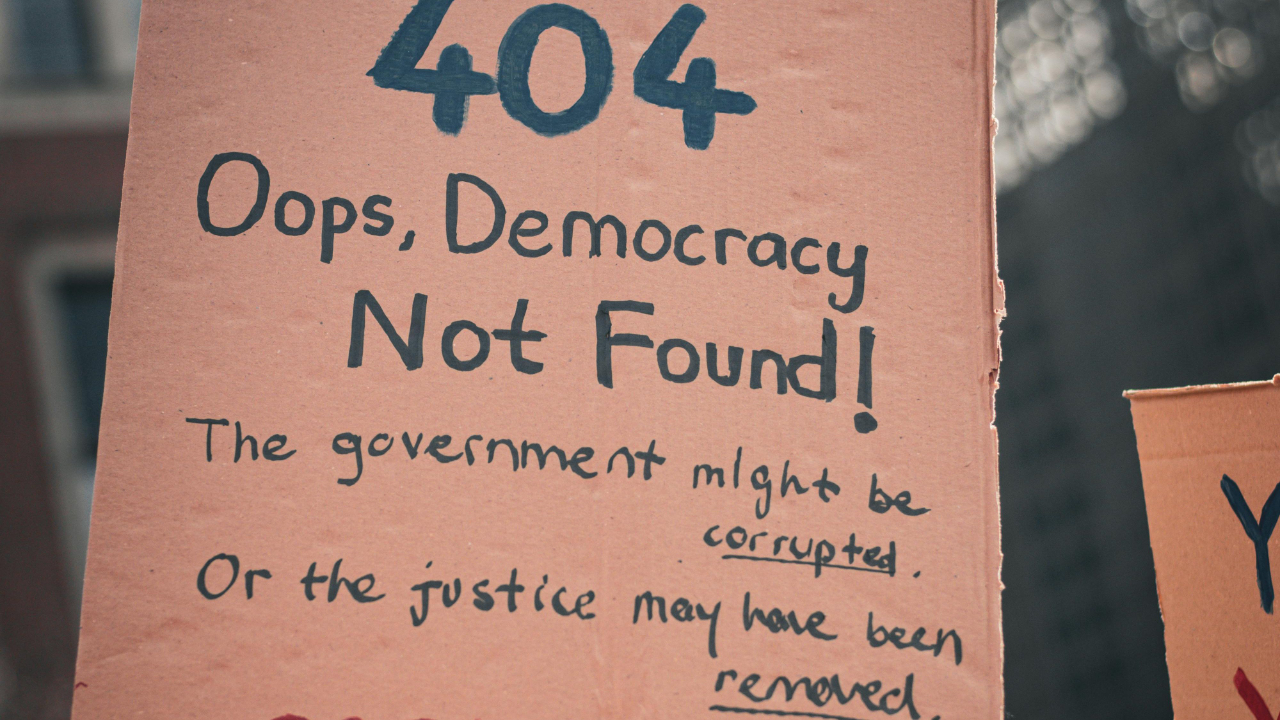
In truth, my resistance to the mantle of "couples therapist" is not pedantic but rather is a political refusal to act as an enforcer of institutional norms. Traditional models of relationships often prioritise the stabilisation of the dyad to serve a patriarchal capitalist social order, treating the "couple" as a sanitised, private refuge. However, as bell hooks articulated in All About Love, intimacy is a site of justice; it cannot be divorced from the systemic pressures of patriarchy and ableism. By all means, choose to be in a monogamous couple, but make it a conscious choice, not a concession to social pressure.
By pushing back against the label, I am challenging the privatisation of intimacy and care, which Sophie K. Rosa critiques in Radical Intimacy. My clinical loyalty lies not with the preservation of a state-sanctioned institution but with the autonomy and liberation of the individuals in the room. I work to dismantle dyadic hegemony, focusing on how autonomous people can forge a relational path that is ethical, radical, and authentically their own. I wholeheartedly aim to offer radical permission to forge a path in love and life that actually feels like home to the beautifully unconventional humans I'm lucky enough to call my clients.
But Why?
Ultimately, me using "Relationship Therapy" or "Intimate Partnership Therapy" is a reflection of my personal and professional political stance. I want to challenge and deconstruct the dyadic hegemony that restricts all of our capacities for authentic connections. By shifting the clinical focus from the preservation of institutional norms to the cultivation of unique deliciousnesses of intimacy, we get to find new relational paths to walk and intimate clearings to rest in.
Whether navigating a dyad, a polyamorous constellation, or a queer platonic partnership, my aim remains the same: to dismantle the 'shoulds' of heteronormativity and facilitate a relational architecture that provides a genuine sense of home for the beautifully unconventional.
Put simply, I aim to create as safe a space as possible for those wanting therapeutic support for their intimate relationship(s), away from the burdens, expectations, and macro/micro-aggressions of mainstream society.
Tiga-Rose Nercessian (she/her), PhD Sex & Relationship Psychotherapist (UKCP, NCPS, COSRT Accredited) | Founder of Intimata | Specialising in Relationship Intelligence & Enhancement and Neurodivergent Intimacy.